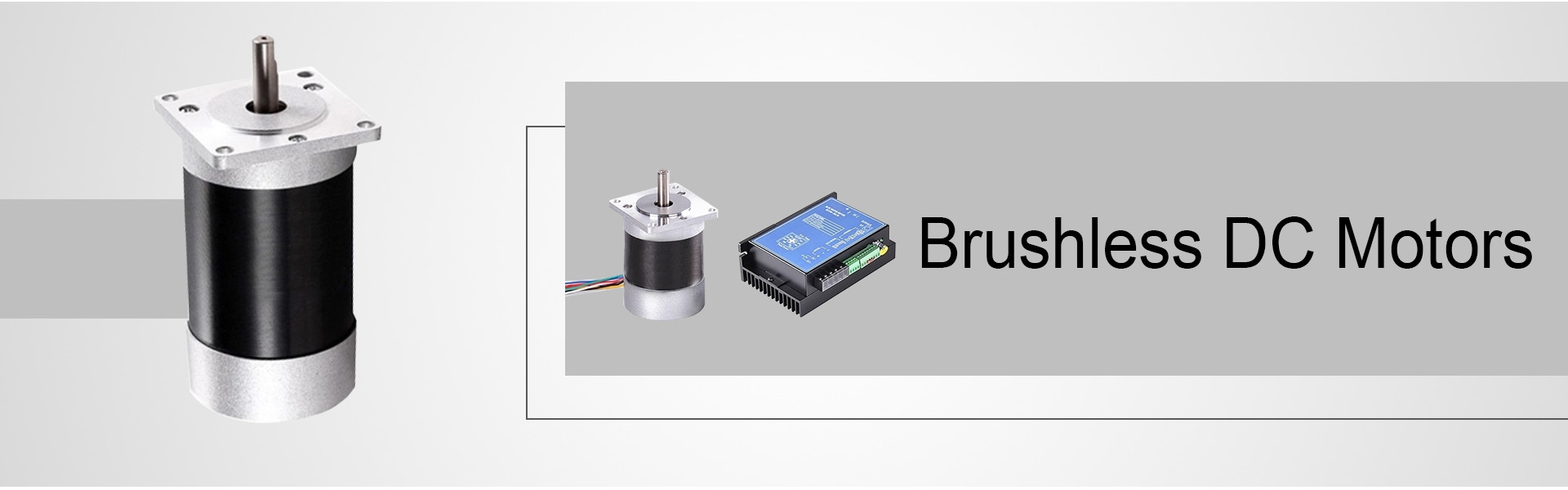
Brushless DC motors are available in a wide range of configurations because different machines require different combinations of speed, torque, voltage, and physical size. A BLDC motor used in compact equipment may have very different specifications from one used in industrial machinery, but both rely on the same basic principle of electronic commutation. This makes the brushless DC motor a flexible option for many types of electric drive systems.
The first specifications to establish are normally voltage, torque, and speed. A 12V or 24V BLDC motor may be suitable for smaller equipment or battery-powered systems, while higher-voltage options such as 48V, 72V, and 96V can address other power requirements. Continuous torque, peak torque, and operating RPM should be calculated from the actual mechanical load instead of relying only on maximum motor ratings.
Size and motor construction provide another level of selection. NEMA 23, 32, 34, 42, 52, and 72 configurations can accommodate different mechanical designs, while outrunner and inrunner motors provide different operating characteristics. Sensored and sensorless BLDC motors can be selected according to feedback requirements, and frameless or waterproof designs can address specialized installation and environmental conditions.
These configurations allow brushless motors to support many applications, including robotics, automation, AGVs and AMRs, industrial equipment, drones, electric vehicles, pumps, fans, and other motion systems. The application determines which characteristics deserve the most attention, but the basic selection process remains similar: define the load, determine the required speed and voltage, confirm the physical dimensions, and select an appropriate motor and controller combination.
A broad BLDC motor range gives engineers more flexibility when designing or upgrading equipment. Rather than adapting the machine to a single motor specification, the motor can be selected according to the electrical, mechanical, and operating requirements of the final system.